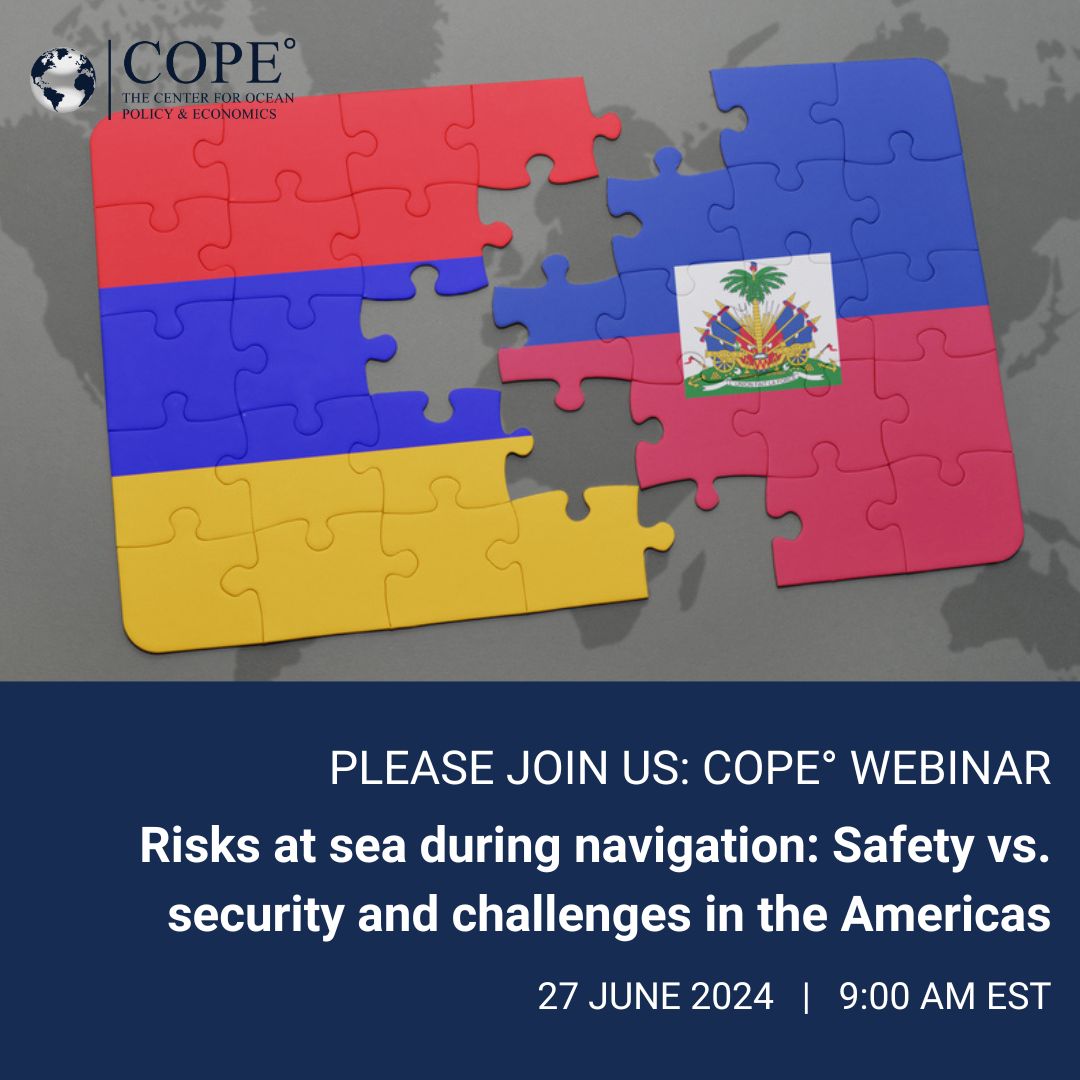
COPE° Webinar – Risks at sea during navigation: Safety vs. security and challenges in the Americas
COPE° held a virtual webinar titled “Risks at sea during navigation: Safety vs. security and challenges in the Americas” on 27 June 2024. The topics that were covered are as follows:
Kristina Siig:
I will have to underscore that I do not have certain information/primary data on this. However, it seems that the general understanding of this in the scientific community is that it is most likely due to operations such as Operation Prosperity Guardian, which has pulled resources out of the Gulf of Aden, where Somali-based piracy has normally occurred, and further North into the Red Sea.
In this way, the naval presence in the Gulf of Aden has decreased, resulting in a sort of “vacuum” that has been exploited by the pirates. However, whether this is the only reason or whether there is also a new situation on land in Somalia that has allowed for this re-surge, I do not know.
Sorry, we couldn't find any posts. Please try a different search.
The COPE° project Coasties Thriving Together functions as an independent action team comprised of volunteer Coast Guard veterans and serving survivors of military sexual and physical trauma. This project provides a platform for resource and information sharing and third-party external recommendations. This community of compassionate allies is dedicated to thriving, not just surviving. With core values of honor, respect, and devotion to thriving, the action team has created a vision to shape policy, identify gaps in governance and resources, call for accountability, and recommend innovation and inclusive solutions to help our own thrive after experiencing trauma.
The formation of this safe and secure platform for this community of survivors comes after CNN exposed a secret investigation into alleged sexual abuse at the U.S. Coast Guard Academy that uncovered a history of rapes, assault and other serious misconduct being ignored and, at times, covered up by high-ranking officials in June of 2023. Completed in June 2019, the probe’s findings, “Operation Fouled Anchor,” had been kept confidential by Coast Guard senior leadership as the findings focused on reports of sexual assault at the Academy between 1992 to 2006. Operations Fouled Anchor was launched in 2014 when an academy graduate claimed her allegations of rape from years earlier had never been investigated. While looking into the woman’s case, agents determined her allegations, and more than two dozen other reports of misconduct had essentially been buried by academy leaders. As they continued digging, they unearthed more than 90 potential assaults from the late 1980s to 2006.
The COPE° project Coasties Thriving Together functions as an independent action team comprised of volunteer Coast Guard veterans and serving survivors of military sexual and physical trauma. This project provides a platform for resource and information sharing and third-party external recommendations. This community of compassionate allies is dedicated to thriving, not just surviving. With core values of honor, respect, and devotion to thriving, the action team has created a vision to shape policy, identify gaps in governance and resources, call for accountability, and recommend innovation and inclusive solutions to help our own thrive after experiencing trauma.
The formation of this safe and secure platform for this community of survivors comes after CNN exposed a secret investigation into alleged sexual abuse at the U.S. Coast Guard Academy that uncovered a history of rapes, assault and other serious misconduct being ignored and, at times, covered up by high-ranking officials in June of 2023. Completed in June 2019, the probe’s findings, “Operation Fouled Anchor,” had been kept confidential by Coast Guard senior leadership as the findings focused on reports of sexual assault at the Academy between 1992 to 2006. Operations Fouled Anchor was launched in 2014 when an academy graduate claimed her allegations of rape from years earlier had never been investigated. While looking into the woman’s case, agents determined her allegations, and more than two dozen other reports of misconduct had essentially been buried by academy leaders. As they continued digging, they unearthed more than 90 potential assaults from the late 1980s to 2006.
What is the most concerning is the apparent lack of interest or desire in looking at any sexual assaults prior to 1992. The Leadership Team unequivocally knows sexual assault, once women entered the Academy in 1976, has been occurring, yet no one in a leadership position is willing to acknowledge the historic significance of this. It is also possible that male survivors of harassment and assault live in the shadows from the shame long before 1976 and in the years since. Furthermore, no leaders have defined this as a systematic problem. With this in mind, the team stands Always Ready to shape policy, identify gaps in governance and resources, call for accountability, and recommend innovative and inclusive solutions to help our own thrive after experiencing trauma. The Independent Action Team questions the trustworthiness and credibility of the Coast Guard, and Coast Guard Academy in fully caring for survivors of military sexual and physical trauma.
The Action Plan for Coasties will consist of four phases. Phase One consists of the team’s top interest of providing a safe, secure, and trusted site to communicate about a charged topic – sexual assault and sexual harassment, with the intentions to expand access to the site in phases, monitoring the success along the way. This phase will consist of Coast Guard Academy women and men survivors and those previously identified friends. As progress and success is monitored of Phase One, the site will be opened to others in the Coast Guard with the Team’s ultimate goal to make the site available to all Coast Guard women and men, officers and enlisted.
Phase Two currently consists of opening the actions of Phase One to current and former members of the Coast Guard. Phase Three will begin with reviewing standing minutes, reports, and other relevant documents. Interviews will be conducted as appropriate as well as identifying gaps in data, policy, resources, and inequities so that recommendations can be provided to interested parties. Phase Four works to document the historical implications and lessons learned from what is discovered during the effort. With consent, oral or written histories will be provided to be included in scholarly academic research efforts. Additionally, non-attributional statements and other important historical documents will be preserved to not lose all aspects of the important historical nature of this time in Coast Guard History.
Currently in Phase One, the Action Team is continuing to build its community of survivors. While building the community, the team is also involved in an active Congressional outreach and letter writing campaign on issues paramount to survivors. This group currently consists of officers and enlisted members from varying accession sources.
More information about this team may be found on the Coasties Thriving Together page, which includes a form for those looking to request membership. Any questions, concerns, or comments may also be submitted to COPE° through our website.
COPE° Project – Coasties: Thriving Together Read More »
HOUSTON, TEXAS – COPE° attended a seminar on 9 January 2024 hosted at the U.S. Coast Guard Sector in Houston-Galveston, focusing on the collaborative efforts needed to combat drug smuggling on ships. Titled “Drug Smuggling in Ships: Fostering Law Enforcement and Trade Collaboration,” the event brought together key figures from law enforcement, trade, and maritime industries to address the challenges of this topic and to propose practical solutions. This seminar was a collaboration between COPE°, BIMCO, the International Organization of Airport and Seaport Police (INTERPORTPOLICE), the World Shipping Council, InterManager, and Northeast Maritime Institute.
In the Keynote Address, Bud Darr, Senior Vice-President of the Mediterranean Shipping Company, emphasized the necessity for increased collaboration between government and industry. Highlighting the cost associated with implementing technologies, he stressed the need for performance-based regulations. Darr advocated for a broader approach to collaboration, focusing on shared information, feedback, and tactics. He also addressed the broader societal impact of drug cartels and called for serious judicial repercussions.
Chris Trelawny, Deputy Secretary-General of INTERPORTPOLICE, presented on Fostering Law Enforcement/Trade Cooperation. In his presentation, Trelawny delved into achieving Sustainable Development Goal 16 in ports, promoting multi-stakeholder engagement, and viewing maritime security as a revenue generator. The session aimed to improve collaboration, decrease narcotics quantities, prevent seafarer abuse, and reduce ship detentions. Recommendations included increased threat information sharing, updating guidelines, and addressing the “us vs. them” mentality.
Session 1: Seafarers and Shipowners in Trouble, moderated by Jakob Larsen, Head of Maritime Safety & Security at BIMCO, focused on the challenges faced by seafarers and shipowners. Stories were recounted by multiple panelists of the unfairness of treatment of crews and captains pertaining to the unknown transportation of drugs on board ships and many highlighted the long periods of time taken to resolve these issues. This further brought up the topic of establishing a new culture of trust and whistleblowing within the industry.
In Session 2: Combatting Drug Trafficking in the Container and Liner Supply Chain, moderated by Dr. Ian Ralby, CEO of I.R. Consilium, speakers discussed technology enforcement, information sharing, and the need for comprehensive security systems. Attention was given to combating drug trafficking in the container and liner supply chain, including insights from key industry players.
Session 3: Obtaining and Utilizing Data, moderated by Chris Trelawny, focused on obtaining and turning data into actionable intelligence. Participants highlighted the importance of a data collection center, determining relevant information, and the need for standardized reporting. The emphasis was on sharing information about bad actors to enhance overall maritime security.
Finally, Session 4: Frontline Challenges and Practical Solutions, moderated by Joe Kramek, consisted of discussions about practical solutions to the comprehensive frontline challenge. The challenges faced by port facility security officers and vessel security officers were addressed, with an emphasis on clear communication and information flow. Various industry experts provided insights into security measures, audits of terminals, and diplomatic channels.
Chris Trelawny concluded the event by summarizing the key discussions and emphasizing the importance of sustained collaboration, reinforced communications, and coordinated actions. The need for global concern, private initiatives, and support from authorities was reiterated.
The event showcased a comprehensive approach to tackling drug smuggling, emphasizing collaboration, technology, and proactive measures to secure the maritime industry against criminal activities. With this in mind and an overall consensus for the need for greater collaboration, we feel that COPE° can provide a much-desired platform to facilitate more conversations on this issue. By hosting these discussions through COPE°’s Working Group on Peace and Justice: The Unjustified Criminalization of Mariners, we feel that much needed change of the guidelines and culture of this issue can be achieved. COPE° believes that with the momentum of this seminar, these important conversations can contribute to the protection of seafarers and societies against organized criminal networks specializing in drug smuggling.
COPE° Attends Houston Seminar on Tackling Drug Smuggling in the Maritime Industry Read More »
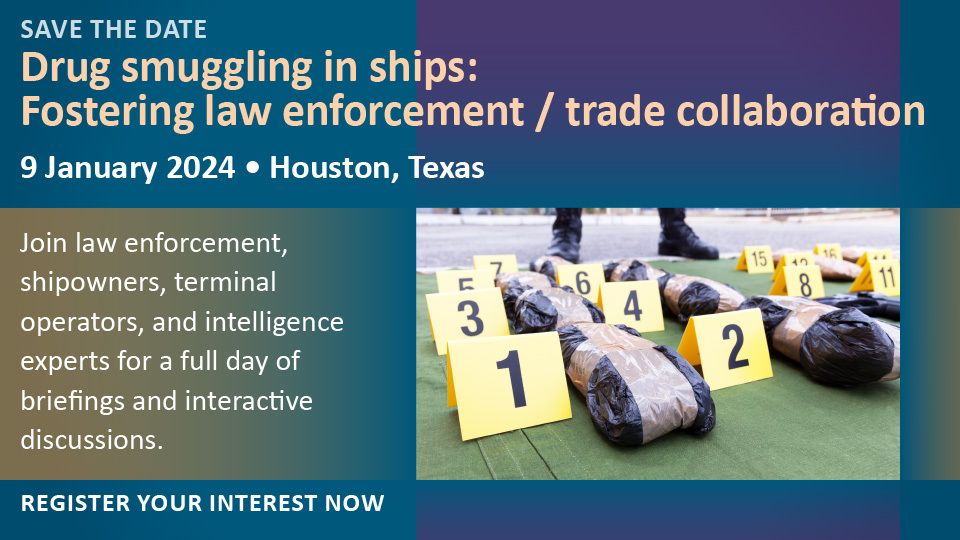
There is a pressing need for international law that protects the rights of professional seafarers. Too many innocent seafarers are becoming victims of the activities of organized criminal drug trafficking groups and ill-considered law enforcement responses. The Center for Ocean Policy and Economics (COPE°) has teamed up with The International Organization of Airport and Seaport Police (INTERPORTPOLICE), BIMCO, InterManager, Northeast Maritime Institute, and key players from the maritime and law enforcement communities to consider ways forward.
BIMCO will be hosting a seminar in Houston on 9 January 2024. To register an interest in participating in this seminar, please click on the following link: SEMINAR REGISTRATION.
COPE° recognizes just how important this subject is and the dire need for action, which is why a Working Group has been established to work on future policy development related to this matter. Learn more about the Working Group, titled “Peace and Justice – The Unjust Criminalization of Seafarers,” HERE.
Drug smuggling in ships: Fostering law enforcement / trade collaboration Read More »
by Eva Lianne Veldkamp
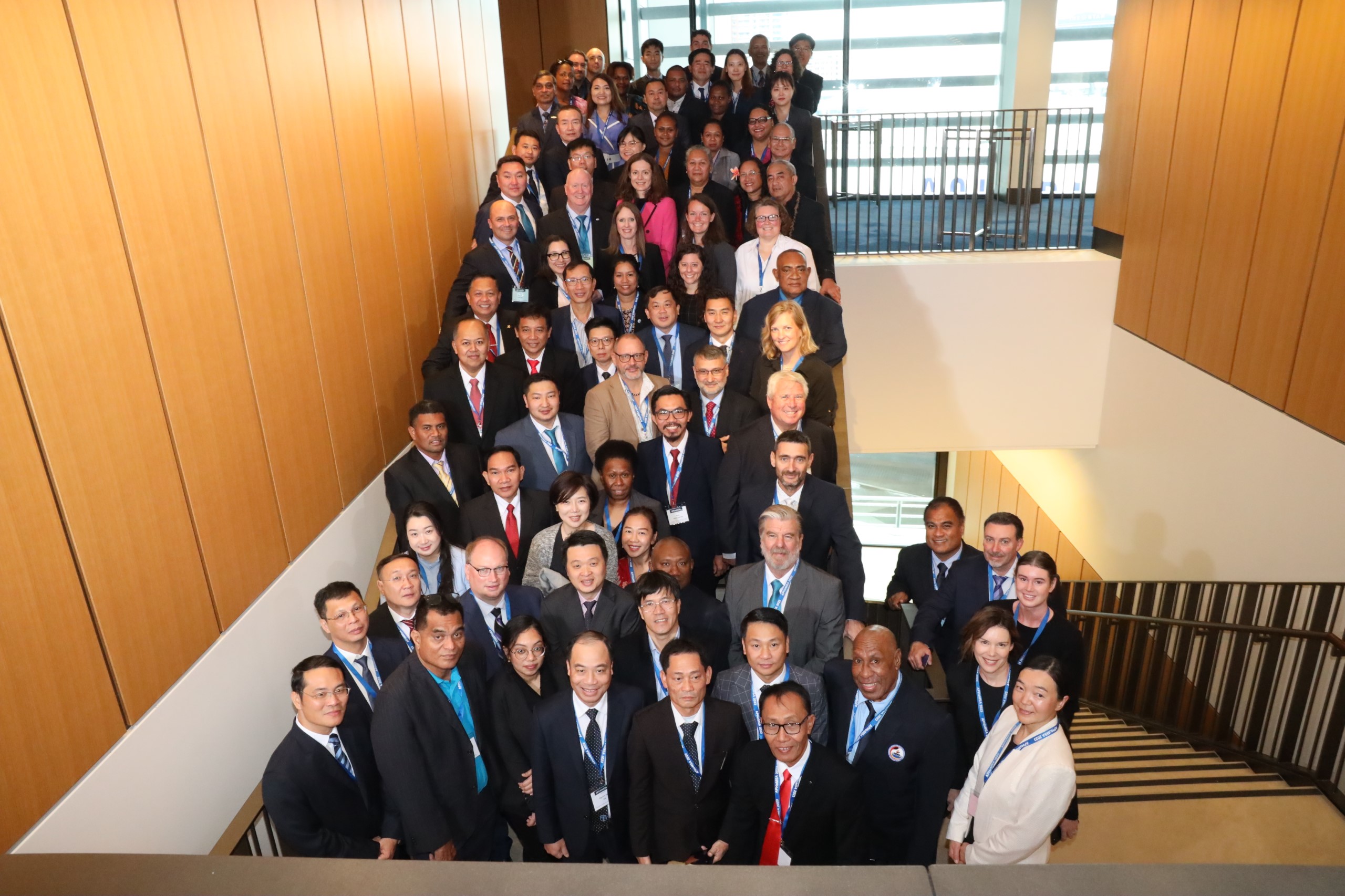
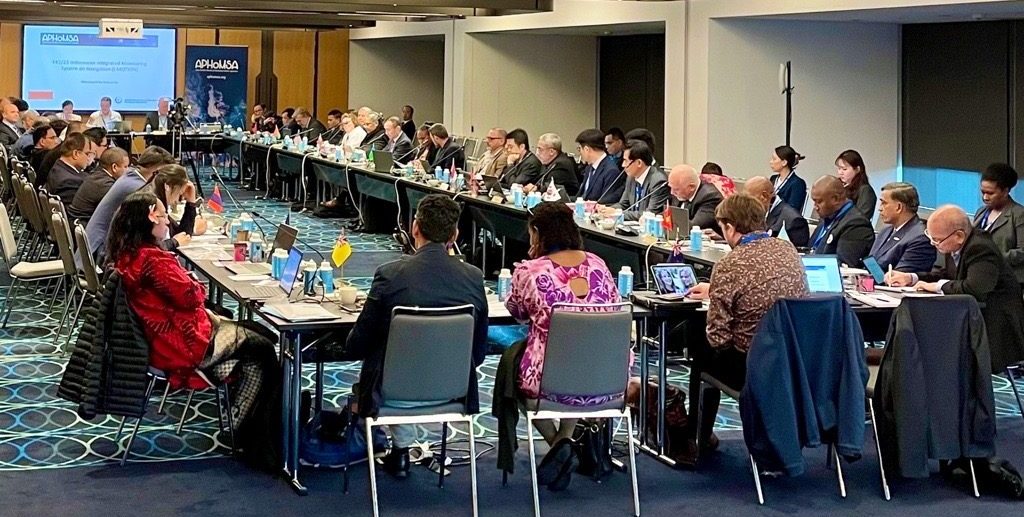
The Center for Ocean Policy & Economics (COPE°) was invited by the Australian Maritime Administration to attend the 23rd session of the Asia-Pacific Heads of Maritime Safety Agencies (APHoMSA) forum, hosted in Sydney, Australia, from 5 to 8 June 2023.
During the forum, 26 countries were represented: Australia, Canada, Chile, China, Cook Islands, Fiji, Indonesia, Japan, Kiribati, Marshall Islands, Mongolia, Nauru, New Caledonia, New Zealand, Niue, Palau, Papua New Guinea, Republic of Korea, Singapore, Samoa, Solomon Islands, Timor Leste, Tonga, United States of America, Vietnam and Vanuatu. Nine observer organisations were also represented: the Asia-Pacific Economic Cooperation Seafarer Excellence Network (APEC SEN); the International Maritime Organization (IMO); the International Hydrographic Organization (IHO); the Regional Cooperation Agreement on Combating Piracy and Armed Robbery against Ships in Asia Information Sharing Centre (ReCAAP ISC); the Pacific Community (SPC); the Tokyo Memorandum of Understanding on Port State Control (Tokyo MoU), the Center for Ocean Policy and Economics (COPE°), the Pacific Islands Maritime Association (PacMA), and the Women’s International Shipping and Trading Association (WISTA Australia).
Covering half of the globe, the Asia-Pacific is the largest maritime region. While the lives and perspectives of people living near the Pacific Ocean is very specific, especially for those living on the many small islands in the Pacific, almost all of the topics that were discussed during the forum were of issues that concern us all.
Throughout the agenda items on ‘Women in Maritime’ and ‘Safety and Wellbeing of Seafarers,’ there was a lot of constructive dialogue on the importance of psychological safety in the maritime sector. The COPE° paper that was submitted to the forum under these agenda items resonated with many other delegations. The negative consequences that people face when simply being their authentic selves in their workplace indicates a lack of psychological safety.
Discussions were had around the need for people to feel safe and confident to speak up, share ideas, give honest feedback and communicate. The COPE° paper pointed out the importance of ‘Allyship’ – using your voice to speak up for others – especially in helping a minority. “When we can make it safe for everyone, we can get the people on board who know what to do, to take care of themselves, each other, the ship and the sea. And build maritime workforce globally, that is safe enough to be inclusive and diverse,” said Eva Lianne Veldkamp of COPE°.
The USA delegation shared information about a campaign to report sexual misconduct in the maritime sector, inviting all members of the forum to aggressively pursue acceptance of reports of sexual harassment and sexual assault (SASH) from mariners. “Barriers to reporting contribute to the problem of SASH because they limit the number of cases of sexual assault and sexual harassment reported to the authorities and allow perpetrators to avoid accountability.” Members of the forum supported and applauded this important campaign and noted the fear of reporting. Not only is there generally a high level of shame and fear that comes with vulnerability, but different cultural, social and personal aspects complicate these issues even further.
Other documents submitted under the ‘Women in Maritime’ agenda item provided useful information and resources, wonderful ideas for improvements and thought provoking suggestions. WISTA Australia submitted an informative paper with valuable resources and toolkits for companies to use to provide diverse and inclusive working environments and teams. Potential solutions to create a working environment that is safe, inclusive, diverse and equal for everyone in maritime have been put forward, especially to address the many challenges faced by women in the industry. To provide potential solutions, it is important to understand the gravity of the problems and challenges within the industry, and to understand that programs and solutions must be implemented with care and oversight.
One delegation of a small Pacific Island shared the experiences of a program that was initiated several years ago to promote maritime careers for women. It enabled three enthusiastic young women to become licensed mariners. Upon completion of their educations, they began work on a cruise ship. Unfortunately, the program turned out to be a tragedy. Two of the three women returned home pregnant and alone, with the third committing suicide. The program was terminated immediately.
The tragic story emphasizes the lack of, and need for, psychological safety on board ships and in the maritime sector. The COPE° paper noted that the absence of psychological safety is a root cause of bullying, assault and harassment in the maritime sector, including sexual assault and sexual harassment. It describes that feeling unsafe within one’s workplace is an invisible and underrated safety issue, and is something that has become normalized in the maritime sector and on board ships.
Discussions were also had about the need for mandatory training provisions on these issues, noting the great work that already has been taken forward by IMO as part of the comprehensive review of the STCW Convention and Code. There was also agreement amongst delegations to work on establishing international mechanisms, policies and measures to respond to, and resolve, cases of abuse, bullying and SASH.
In general, an optimistic understanding amongst all delegations indicated that there is a great willingness to use the severe challenges faced as opportunities for improvement. The forum decided to set up a correspondence group to work on agreements requiring action. In the upcoming period, this group is going to work on setting up a strategic plan on promoting women in maritime, developing leadership programs, creating a survey questionnaire to collect data on gender based issues on board of ships and on obtaining funding.
To summarize discussions under the agenda item of ‘Women in Maritime,’ Mr. Mick Kinley – CEO of the Australian Maritime Administration and Chair of the forum stated: “I think that we can all conclude to agree that psychological safety should be a basic human right.”
Another item on the agenda of the forum was ‘Marine Environment Protection and Maritime Incident response.’ There were several requests for cooperation and lessons learned shared by members of the forum. A number of marine incidents and SAR experiences were also shared and discussed. Several governments shared experiences and there was a great willingness for further collaboration across the Asia-Pacific.
Small Pacific Islands shared information about marine incidents which resulted in marine pollution. A big concern that was expressed was the lack of capacity to prosecute and compensate liability, clean up after pollution, remove wrecks and establish costs for use of assets needed to solve disasters. Statements were made about the need to hold shipowners and the maritime industry responsible for the damage on the ocean and the environment. Discussions were had around the idea that by making insurance costs public, those figures could provide helpful insight into the importance of investing to prevent incidents and marine disasters.
IMO shared information on the development of a new program and training course on marine incident investigations, which will be based on the work that is done by the relevant sub-committee (III) and the reports that are submitted by IMO Member States to GSIS. Australia noted a paper that was submitted to the IMO Legal Committee about updating liability limits in this regard, which seems to have received little support until now.
The forum provided a space for delegations to share information on sustainability development planning and the implications this has on maritime safety. Arrangements for vessel traffic services, aids of navigation and cooperation with government bodies to ensure safe and secure maritime traffic were also topics that made for engaging discussions. Offshore wind parks and other offshore developments such as seaweed farming and space launch operations require specific solutions that have yet to be discovered. Several delegations expressed a big need for information on how to handle situations at sea regarding innovative developments. Countries such as the USA, New Zealand, Canada and Australia are generally looking to Europe, as they have much experience with windfarms at sea.
New fuels were part of these discussions as well. China made an important remark about the safety issues and requirements regarding the use and carriage of large batteries on board ships. They requested IMO to notice these new and developing technologies, and update the conventions and regulations that are relevant to these new innovations accordingly as part of the review that already takes place. China stated that it will be necessary to establish new training requirements, safety inspections requirements and other provisions regarding the usage and carriage of batteries, new fuels or other innovative means in the near future.
The forum was very useful in regards to ‘Regional Cooperation.’ Discussions were had about the progress of the establishment of an IMO Regional Presence Office in the Pacific Islands region. The need for greater technical cooperation and an increase in the delivery of technical assistance was an important point of these discussions.
The importance of training, lecturing, coaching future maritime leaders and mariners and the need for assistance and cooperation was also expressed by several delegations. An challenge shared by many delegations is that of providing global on-board training to foster competent young seafarers. The pacific region has very bright and kind seafarers, but is currently unable to get them sea time on board international vessels.
By Eva Lianne Veldkamp
The Center for Ocean Policy & Economics (COPE°) was invited by the Australian Maritime Administration to attend the 23rd session of the Asia-Pacific Heads of Maritime Safety Agencies (APHoMSA) forum, hosted in Sydney, Australia, from 5 to 8 June 2023. The meeting was attended by Eva Lianne Veldkamp, who is currently leading a COPE working group on psychological safety, bullying and SASH in the maritime sector.
During the forum, 26 countries were represented: Australia, Canada, Chile, China, Cook Islands, Fiji, Indonesia, Japan, Kiribati, Marshall Islands, Mongolia, Nauru, New Caledonia, New Zealand, Niue, Palau, Papua New Guinea, Republic of Korea, Singapore, Samoa, Solomon Islands, Timor Leste, Tonga, United States of America, Vietnam and Vanuatu. Nine observer organisations were also represented: the Asia-Pacific Economic Cooperation Seafarer Excellence Network (APEC SEN); the International Maritime Organization (IMO); the International Hydrographic Organization (IHO); the Regional Cooperation Agreement on Combating Piracy and Armed Robbery against Ships in Asia Information Sharing Centre (ReCAAP ISC); the Pacific Community (SPC); the Tokyo Memorandum of Understanding on Port State Control (Tokyo MoU), the Center for Ocean Policy and Economics (COPE), the Pacific Islands Maritime Association (PacMA), and the Women’s International Shipping and Trading Association (WISTA Australia).
“It was truly special to be around so many maritime leaders from around the Pacific Ocean,” said Eva Lianne. “To have the opportunity to come together to talk and connect with people that carry responsibility to protect the ocean and the safety of people.”
Covering half of the globe, the Asia-Pacific is the largest maritime region. While the lives and perspectives of people living near the Pacific Ocean is very specific, especially for those living on the many small islands in the Pacific, almost all of the topics that were discussed during the forum were of issues that concern us all.
Throughout the agenda items on ‘Women in Maritime’ and ‘Safety and Wellbeing of Seafarers,’ there was a lot of constructive dialogue on the importance of psychological safety in the maritime sector. The COPE° paper that was submitted to the forum under these agenda items resonated with many other delegations. The negative consequences that people face when simply being their authentic selves in their workplace indicates a lack of psychological safety.
In her introduction statement, Eva expressed that all people should feel safe and confident to speak up, share ideas, give honest feedback and communicate. “Even in a hierarchical setting like we have on board, this should be normalized. Even making a simple comment about working clothes that don’t fit properly on a female body, is sometimes hard to express. Let alone speaking up about much more vulnerable and sensitive things like bullying and SASH.” The COPE° paper pointed out the importance of ‘Allyship’ – using your voice to speak up for others – especially in helping a minority. “When we can make it safe for everyone, we can get the people on board who know what to do, to take care of themselves, each other, the ship and the sea. And build maritime workforce globally, that is safe enough to be inclusive and diverse.”
The USA delegation shared information about a campaign to report sexual misconduct in the maritime sector, inviting all members of the forum to aggressively pursue acceptance of reports of sexual harassment and sexual assault (SASH) from mariners. “Barriers to reporting contribute to the problem of SASH because they limit the number of cases of sexual assault and sexual harassment reported to the authorities and allow perpetrators to avoid accountability.” Members of the forum supported and applauded this important campaign and noted the fear of reporting. Not only is there generally a high level of shame and fear that comes with vulnerability, but different cultural, social and personal aspects complicate these issues even further.
Other documents submitted under the ‘Women in Maritime’ agenda item provided useful information and resources, wonderful ideas for improvements and thought provoking suggestions. WISTA Australia submitted an informative paper with valuable resources and toolkits for companies to use to provide diverse and inclusive working environments and teams. Potential solutions to create a working environment that is safe, inclusive, diverse and equal for everyone in maritime have been put forward, especially to address the many challenges faced by women in the industry. To provide potential solutions, it is important to understand the gravity of the problems and challenges within the industry, and to understand that programs and solutions must be implemented with care and oversight.
One delegation of a small Pacific Island shared the experiences of a program that was initiated several years ago to promote maritime careers for women. It enabled three enthusiastic young women to become licensed mariners. Upon completion of their educations, they began work on a cruise ship. Unfortunately, the program turned out to be a tragedy. Two of the three women returned home pregnant and alone, with the third committing suicide. The program was terminated immediately.
“This severely mournful story indicates what is currently is lacking in many teams and organizations, including those on board of ships and in maritime sector: psychological safety,” Eva pointed out in response. The COPE° paper noted that the absence of psychological safety is a root cause of bullying, assault and harassment in the maritime sector, including sexual assault and sexual harassment. It describes that feeling unsafe within one’s workplace is an invisible and underrated safety issue, and is something that has become normalized in the maritime sector and on board ships.
Discussions were also had about the need for mandatory training provisions on these issues, noting the great work that already has been taken forward by IMO as part of the comprehensive review of the STCW Convention and Code. There was also agreement amongst delegations to work on establishing international mechanisms, policies and measures to respond to, and resolve, cases of abuse, bullying and SASH.
Eva shared an interesting observation. “Several people pointed out that currently many ships are old, outdated and not safe to work on in general. It was also noted that many seafarers are in need of secure employment contracts that will hold and protect their needs and interests.”
In general, an optimistic understanding amongst all delegations indicated that there is a great willingness to use the severe challenges faced as opportunities for improvement. The forum decided to set up a correspondence group to work on agreements requiring action. In the upcoming period, this group is going to work on setting up a strategic plan on promoting women in maritime, developing leadership programs, creating a survey questionnaire to collect data on gender based issues on board of ships and on obtaining funding.
To summarize discussions under the agenda item of ‘Women in Maritime,’ Mr. Mick Kinley – CEO of the Australian Maritime Administration and Chair of the forum stated: “I think that we can all conclude to agree that psychological safety should be a basic human right.”
Another item on the agenda of the forum was ‘Marine Environment Protection and Maritime Incident response.’ There were several requests for cooperation and lessons learned shared by members of the forum. A number of marine incidents and SAR experiences were also shared and discussed. “It was very interesting to observe how governments and authorities around the Pacific are working together to keep the ocean clean and safe,” Eva noted. Several governments shared experiences and there was a great willingness for further collaboration across the Asia-Pacific.
Small Pacific Islands shared information about marine incidents which resulted in marine pollution. A big concern that was expressed was the lack of capacity to prosecute and compensate liability, clean up after pollution, remove wrecks and establish costs for use of assets needed to solve disasters. Statements were made about the need to hold shipowners and the maritime industry responsible for the damage on the ocean and the environment. “Insurers keep the total cost a secret, but this would provide a good insight on the importance of investing in prevention of incidents and marine disasters.”
IMO shared information on the development of a new program and training course on marine incident investigations, which will be based on the work that is done by the relevant sub-committee (III) and the reports that are submitted by IMO Member States to GSIS. Australia noted a paper that was submitted to the IMO Legal Committee about updating liability limits in this regard, which seems to have received little support until now.
Lastly, Eva noted that the cause of the marine incidents had to do with a lack of understanding and/or feeling of responsibility from the people working on the bridge. “This is an important observation, together with the earlier conclusion that many working environments on board of ships are not psychologically safe.”
The forum provided a space for delegations to share information on sustainability development planning and the implications this has on maritime safety. Arrangements for vessel traffic services, aids of navigation and cooperation with government bodies to ensure safe and secure maritime traffic were also topics that made for engaging discussions. Offshore wind parks and other offshore developments such as seaweed farming and space launch operations require specific solutions that have yet to be discovered. Several delegations expressed a big need for information on how to handle situations at sea regarding innovative developments. Countries such as the USA, New Zealand, Canada and Australia are generally looking to Europe, as they have much experience with windfarms at sea.
New fuels were part of these discussions as well. China made an important remark about the safety issues and requirements regarding the use and carriage of large batteries on board ships. They requested IMO to notice these new and developing technologies, and update the conventions and regulations that are relevant to these new innovations accordingly as part of the review that already takes place. China stated that it will be necessary to establish new training requirements, safety inspections requirements and other provisions regarding the usage and carriage of batteries, new fuels or other innovative means in the near future.
The forum was very useful in regards to ‘Regional Cooperation.’ Discussions were had about the progress of the establishment of an IMO Regional Presence Office in the Pacific Islands region. The need for greater technical cooperation and an increase in the delivery of technical assistance was an important point of these discussions.
The importance of training, lecturing, coaching future maritime leaders and mariners and the need for assistance and cooperation was also expressed by several delegations. An challenge shared by many delegations is that of providing global on-board training to foster competent young seafarers. The pacific region has very bright and kind seafarers, but is currently unable to get them sea time on board international vessels.
Eva invited all countries and organizations to join the Center for Ocean Policy & Economics (COPE°) and influence change together. COPE° provides a safe, digital platform for people to come together as a community to work to find salient solutions and action change. Learn more about COPE° at www.thecope.org.
COPE° Attends the 23rd Session of APHoMSA Read More »
By Eric R. Dawicki
It’s time to start talking about the demonizing and criminalization of professional mariners.
Seafaring is one of the oldest professions in the world, dating back to ancient times. It is an industry that is vital to the global economy, with approximately 90% of the world’s trade transported by sea. Despite its importance, the profession of mariners and seafarers is often overlooked, and their working conditions are often challenging and hazardous. Moreover, the criminalization of professional mariners and seafarers is becoming an increasingly significant concern, with many facing unjustified prosecution and imprisonment.
The criminalization of seafarers can occur in different ways. Firstly, some seafarers can be accused of criminal offenses that are not directly related to their job but occurred while on board, such as drug smuggling or piracy. Secondly, some seafarers can face criminal charges for accidents or incidents that occur while performing their duties, such as collisions, groundings, or oil spills. Lastly, some seafarers can be criminalized due to non-compliance with regulations or maritime laws.
The ambiguity in criminalizing professional mariners and seafarers is a significant challenge. It is often unclear who is responsible for enforcing maritime law, and in many cases, criminalization is based on vague or outdated regulations. As a result, innocent seafarers are subjected to unjustified prosecution and imprisonment, which can have a significant impact on their lives and livelihoods. The criminalization of seafarers can also have negative consequences for the shipping industry as a whole, as it can discourage people from pursuing careers in the field.
The criminalization of seafarers can lead to various issues. Firstly, it can lead to a lack of trust between seafarers and the authorities, which can result in seafarers being hesitant to report incidents or accidents. This can have significant safety implications, as it can prevent authorities from identifying potential safety risks and taking appropriate action to mitigate them. Secondly, it can result in seafarers being treated unfairly and subjected to harsher penalties than they deserve. This can have a significant impact on their mental health and well-being, as well as their ability to find employment in the future. Lastly, the criminalization of seafarers can discourage people from pursuing careers in the industry, which can lead to a shortage of skilled labor and negatively affect the shipping industry’s performance.
The criminalization of professional mariners and seafarers is a complex and multi-faceted issue that requires attention from all stakeholders. Governments, industry bodies, and international organizations need to work together to create a clear framework for enforcing maritime law and ensure that seafarers are not subjected to unjustified prosecution and imprisonment. This can be achieved by updating and modernizing outdated regulations, providing seafarers with adequate training and support, and promoting a culture of safety and transparency in the shipping industry. By doing so, we can ensure that seafarers are treated fairly and that the shipping industry can continue to thrive in the future.
Criminalization of Mariners Read More »
COPE°
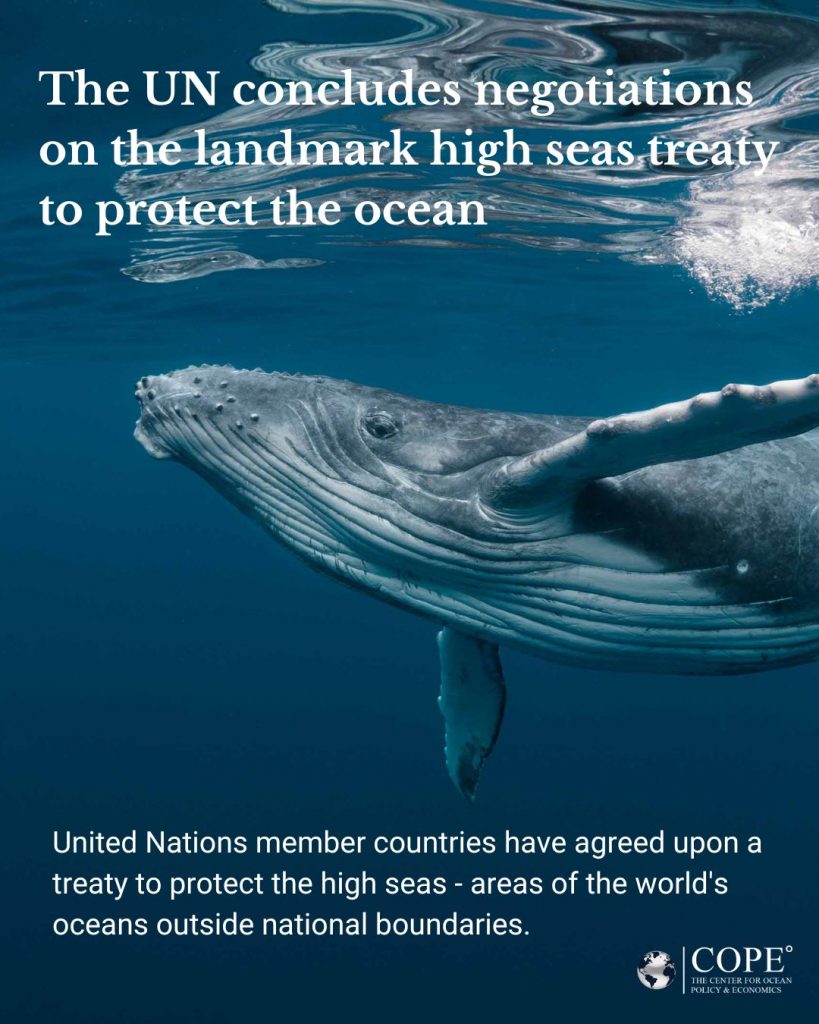
The Center for Ocean Policy and Economics – COPE° is extremely excited about the conclusions of the global negotiations on the landmark UN ‘High Seas Treaty’ to protect the oceans. This treaty is crucial for addressing the triple planetary crisis of climate change, biodiversity loss and pollution.
The initiative will tackle environmental degradation by preserving a massive portion of our ocean. It is also vital for achieving the ocean-related goals and targets of the 2030 Agenda for Sustainable Development, and the Kunming-Montreal Global Biodiversity Framework.
As the principle framework has been laid down, nations will now work towards adoption of the treaty.
UN Secretary-General Mr. António Guterres recognized the critical support of non-governmental organizations, civil society, academic institutions and the scientific community in a statement during his announcement of this historic agreement. He looks forward to continuing working with all parties to secure a healthier, more resilient, and more productive ocean, benefiting current and future generations.
COPE° believes this treaty is a great step forward and recognizes that there is still much work to be done to tackle the ocean’s wicked problems.
The world must come together to solve adverse ocean, atmospheric and environmental problems. COPE° was developed to serve as both a driver for change, as well as a vessel for others to share ideas, collaborate, and pool resources to tackle the immense problems present in our world today. Collaboration and dialogue across the entire spectrum of stakeholders in the maritime domain will allow for academic, corporate, non-governmental, and governmental partners to create impactful solutions.
Read more about the treaty HERE.
As the principle framework has been laid down, nations will now work towards adoption of the treaty.
UN Secretary-General Mr. António Guterres recognized the critical support of non-governmental organizations, civil society, academic institutions and the scientific community in a statement during his announcement of this historic agreement. He looks forward to continuing working with all parties to secure a healthier, more resilient, and more productive ocean, benefiting current and future generations.
COPE° believes this treaty is a great step forward and recognizes that there is still much work to be done to tackle the ocean’s wicked problems.
The world must come together to solve adverse ocean, atmospheric and environmental problems. COPE° was developed to serve as both a driver for change, as well as a vessel for others to share ideas, collaborate, and pool resources to tackle the immense problems present in our world today. Collaboration and dialogue across the entire spectrum of stakeholders in the maritime domain will allow for academic, corporate, non-governmental, and governmental partners to create impactful solutions.
Read more about the treaty HERE.
The UN’s landmark high seas treaty to protect the ocean Read More »
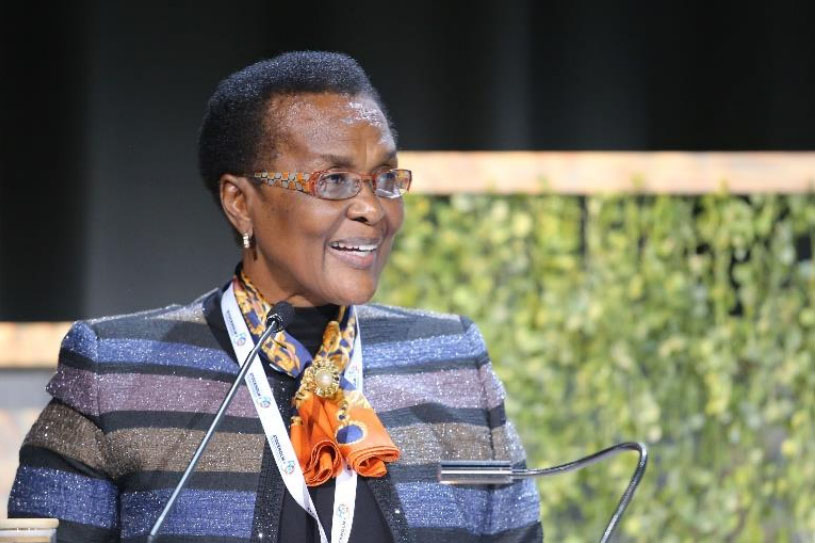
COPE endorses Nancy Karigithu for Secretary General of IMO Read More »
20 September 2022
CHALLENGES AND RISKS CAUSED BY THE COVID-19 PANDEMIC WITHIN THE MARITIME INDUSTRY
The COVID-19 pandemic posed severe challenges for flag states, port authorities, shipping- and crewing companies. Crew changes were severely hindered since international shipping and Governments were unable to facilitate crew changes and unable to respond effectively to these challenges. Restrictions and delays of crew changes and repatriation, including the measures implemented by countries, brought serious operational consequences, and caused a humanitarian crisis at sea.
Consequently, mariners and seafarers faced the risk of extreme fatigue, physical and mental health crises, increasing the risk of maritime casualties that include collisions, allisions and groundings. Maritime labour rights and basic human rights could not be secured and protected. Without humans, ships cannot move goods or provide services. Thus, the crew change crisis highlighted a severe risk for our global supply chain.
In February 2022, the International Labour Organization (ILO), the International Maritime Organization (IMO), UNCTAD and the World Health Organization (WHO) urged governments, the shipping industry and other stakeholders to scale up efforts to safeguard seafarer health and safety to avoid supply chain disruptions during the ongoing pandemic.
Many seafarers today, are still
The severe risk for human wellbeing and risks for the global supply chains require further action from all parties concerned worldwide.
Current mandates of UN organizations do not go beyond urging member states to follow UN Resolutions. A holistic approach is needed to ensure that all parties within the maritime industry take action, further pushing UN objective, furthering the mandate of the International Maritime Organization.
“Honor the Mariner”
The people working at the Center for Ocean Policy and Economics (COPE°), The Commonwealth of Dominica Maritime Administration and Northeast Maritime Institute stand firmly in support of the ‘human element’ – what they feel is the most important element of global maritime trade. The purpose and mission of these companies is to provide services to seafarers through a humanitarian approach, providing the opportunity to improve careers and livelihoods.
Reducing the Negative Impact of Seafarers’ Physical Health, Welfare and Well-Being Using COPE° and NEMO°
The Center for Ocean Policy and Economics (COPE°) links academic, corporate, non-governmental, and governmental partners to create impactful solutions. COPE° enables people to work on driving necessary change in the maritime sector, with ethical and humanitarian values guiding those efforts. COPE° is able to facilitate opportunities for change and drive ocean policy and economic development project initiatives to create impactful solutions.
Northeast Maritime Institute offers seafarers the opportunity to be educated, certified, and licensed though online education, simulation and examination tools called NEMO° and HALO°. By providing seafarers globally with these tools and support, NEMO° helps to improve their physical health, welfare and well-being. NEMO° is currently developing online tools to improve the physical health, welfare, and well-being of seafarers, at no additional expense. These tools will create an opportunity for maritime health professionals to offer their services online and globally. This unconditional support will not only benefit people but will also allow for greater operational safety and mental health.
The Commitment of The Commonwealth of Dominica Maritime Administration to Seafarers
The Commonwealth of Dominica Maritime Administration has a strong commitment to serving the seafaring community as a whole. In December 2021, the IMO Assembly adopted Resolution A 32/Res.1160 on “Comprehensive action to address seafarers’ challenges during the COVID-19 pandemic.” This Resolution contains solutions that pertain to ensuring maritime safety, security and environmental protection by reducing the negative impact on seafarersʹ physical health, welfare and well-being.
The initiative of this Resolution started with an Op-Ed article written by Eric R. Dawicki. It resulted in a whitepaper from The Commonwealth of Dominica Maritime Administration, submitted to the 103rd session of the Maritime Safety Committee in May 2021. The paper proposed a five-part commitment to seafarers during the COVID-19 pandemic to facilitate crew changes and repatriation. The Commonwealth of Dominica Maritime Administration presented this document in plenary and received support from other Member States and Organizations during MSC103. Consequently, an Assembly Resolution was drafted and reviewed as a collaborative effort together with the Secretariat and two other IMO Member States.
To emphasize and highlight the need for the urgent objectives set out in the draft Assembly Resolution, Dominica also gathered a total of nine Non-Governmental Organizations to co-sponsor a support paper for submission at MSC104. This paper created a louder voice for the individuals that these NGO’s represent: people who are working in the maritime sector and at sea.
The Dominica delegation also raised the issue during the plenary session of the ILO Special Tripartite Committee of the Maritime Labour Convention, 2006, as amended (MLC, 2006) in April 2021. And took part on drafting the ILO Resolution concerning the implementation and practical application of the MLC, 2006, during the COVID-19 pandemic, and the Resolution concerning COVID-19 vaccination for seafarers. Both ILO Resolutions were adopted during that session of the Committee.
Meanwhile, the draft IMO Assembly resolution was submitted to MSC104 by the IMO Secretariat and reviewed by the Committee for submission to Assembly 32. The IMO Resolution was agreed upon unanimously by all IMO Member States. In December 2021, Resolution A32/Res.1160 was adopted by IMO Assembly.
Resolution A 32/Res.1160 urges Member States and relevant national authorities to:
All IMO Member States and international organizations are urged to bring this resolution to the attention of all parties concerned.
18 May 2022
Model Course development and IMO/ILO tripartite working group formed to progress solutions
At a recent meeting of the International Maritime Organization’s Maritime Safety Committee (MSC), the interests of the people – the seafarers – were recognized with the highest of priority to create a safer work culture on board ships for all mariners in support of human element aspects of diversity, equality, equity and inclusion.
In late April, the 105th session of the Maritime Safety Committee supported and approved a proposal to revise and amend Model Course 1.21 on Personal Safety and Social Responsibility to include elements of psychological safety and to deal with trauma and trauma response. The Committee instructed the HTW (Human Element, Training and Watchkeeping) Sub-Committee to develop and finalize, as a matter of priority, STCW (Standards of Training, Certification and Watchkeeping) training provisions addressing bullying and harassment in the maritime sector, including sexual assault and sexual harassment. This work is going to be part of the “Comprehensive review of the 1978 STCW Convention and Code.”
It is rare that an IMO Model Course is taken forward with priority and is developed and amended in such a short timeframe. The urgency in development and finalization of STCW training provisions on bullying and harassment in the maritime sector rises from emerging and ongoing issues related to personal safety onboard vessels. Repeated issues of sexual assault and sexual harassment occur in the maritime sector, across all cultures, demographics, socio-economic groups and ages, in the same way as they do in wider society. These illegal behaviors and trends affect seafarers’ short- and long-term mental health, safety and well-being which in turn affects recruitment and attrition rates of seafarers.
In addition to instructing the development and finalization of an IMO Model Course on Personal Safety and Social Responsibility, the MSC designated a joint IMO/ILO tripartite working group on the issues. The objective of this joint group is to ensure a safe workplace for seafarers by tackling bullying and harassment in the maritime sector. This group will also work on providing recommendations for future steps, including the development of legislation, mechanisms and policies, and the launching of awareness campaigns by relevant stakeholders aimed at reporting and addressing these matters.
The positive response of IMO member states and Organizations on this topic demonstrates the recognition of a pervasive problem on many ships and a continued commitment to a vibrant, safe and supportive maritime industry.
The work emerged from a paper by the Commonwealth of Dominica submitted to the Sub Committee on Human Element Training and Watchkeeping in January 2022. A second paper, submitted to the Maritime Safety Committee in April 2022, was submitted by the Commonwealth of Dominica, Saudi Arabia, Turkey, ICHCA, IFSMA, InterManager, AMPP and IIMA. These documents raised awareness for the issue and proposed to amend and revise the IMO Model Course on Personal Safety and Social Responsibility (PSSR).
Revisions of the IMO Model Course on PSSR include expanding existing training on safe working practices, as well as including elements of psychological safety in effective communications and healthy human relationships on board ships to include and dealing with trauma and trauma response. The co-sponsors proposed to create a framework that establishes behavioral norms and supports a psychologically safe and just culture in the maritime sector to provide a safer working environment for all.
Since raising the issue at IMO in January 2022, a broader group of stakeholders started to collaborate to further refine the work in a COPE° (Center for Ocean Policy and Economics -a subset of The Northeast Maritime Institute) Working Group. This “COPE° Working Group on Psychological Safety and Sexual Assault and harassment in the Maritime Sector”, uses the UN framework to work on solutions to connect the industry objectives set out. Members of this COPE° working group include representatives from delegations of Saudi Arabia, Turkey, Bahamas, and Brazil, along with large maritime industry company representatives, and several maritime NGO’s including WISTA (Women’s International Shipping and Trading Association), IHMA (International Harbor Masters Association), ISWAN (International Seafarers Welfare and Assistance Network) as well as subject matter experts on psychology, education and maritime safety who are sharing information, ideas, learnings and pooling resources.
The COPE° working group is driven by ethical and humanitarian-based values. Next to the work on the IMO Model Course, the group will work to evaluate and provide training options, designing free courses on Northeast Maritime Online (NEMO°) and investigating other training options. Harmonizing best practices, guidance documents, industry resources and studies are also part of the scope. Lastly, the group is focusing on raising awareness and is open to hear the voices of all people working in the maritime industry.
The work and plenary interventions of the COPE° working group at IMO inspired and incited other IMO member states and organizations to act. This resulted in the submission of several other papers for MSC105 on the same subject matter. The proposals in these papers resulted the designation of a joint IMO/ILO tripartite working group.
The positive outcome of the Maritime Safety Committee, and the historical decision to take this work forward with priority, demonstrates that there is support for honoring mariners globally. It shows that there is a way to facilitate procedures and the work of the IMO work to support the people it serves in a timely fashion.
The COPE° working group has already begun meeting to revise the Model and is expected to yield a work product for the next meeting of the HTW Sub-Committee, in view for adoption by MSC107 in May 2023. The meeting dates for the IMO/ILO tripartite are still to be identified.
For more information on the COPE° Working Group, or to contribute towards its work, contact Eva Lianne Veldkamp at [email protected].
About the COPE° Working Group
The COPE° Working group on Psychological Safety and Sexual Assault and Harassment in the Maritime Sector is hosted by Center for Ocean Policy and Economics, a subset of The Northeast Maritime Institute – College of Maritime Science.
The group is working on:
Taking into account: