
Life at Sea: A Professional Mariner’s Perspective on the Human Element of Ocean Policy
PAPER BY:
Captain James Foong, MBA, FNI
29 January 2026
I have spent much of my professional life at sea. Like many mariners, I entered the industry drawn by the promise of responsibility, challenge, and a career that connects nations through trade. Over time, I learned that life as a professional mariner is not defined by romance or adventure alone, but by resilience, discipline, and the often-overlooked human cost behind global maritime operations.
From a policy perspective, professional mariners are central to the functioning of the global ocean economy. More than 80 percent of world trade moves by sea, and every vessel depends on trained seafarers to operate safely, efficiently, and in compliance with international regulations. Onboard, decisions are made daily that affect safety of life, environmental protection, and supply chain continuity. These responsibilities cultivate strong leadership, risk awareness, and problem-solving capabilities that few other professions demand at the same scale.
There are undeniable advantages to a maritime career. The profession offers structured progression, international exposure, and, for many, financial stability through rotational employment. Mariners develop adaptability and cultural intelligence by working in multinational crews under demanding conditions. For those who commit long-term, the sea can provide not only a livelihood but a strong professional identity rooted in accountability and service.
Yet the costs of this career are significant and deserve greater recognition in policy discussions. Extended separation from family remains one of the most challenging realities of seafaring. Contracts lasting several months often mean missing critical life events and carrying emotional burdens that cannot be fully alleviated by modern communication technologies. The psychological impact of prolonged absence is real and cumulative.
Operationally, mariners face long working hours, irregular sleep patterns, and persistent fatigue driven by watchkeeping systems and port turnaround pressures. While international conventions address rest hours and safety, practical implementation onboard does not always reflect regulatory intent. Fatigue and mental strain are not abstract concerns; they directly affect navigational safety, environmental protection, and operational decision-making.
Another growing challenge is the expanding administrative and compliance burden placed on seafarers. While regulatory frameworks are essential, excessive documentation and inspections can divert attention from core seamanship and safety tasks. Effective ocean policy must strike a balance between oversight and operational practicality, ensuring that regulations support—not undermine—the human operators tasked with enforcing them at sea.
From my experience, sustainable ocean policy cannot be separated from the wellbeing of professional mariners. Human-centred approaches to maritime governance—covering crew welfare, fatigue management, mental health, and realistic compliance expectations—are essential to achieving broader economic and environmental objectives.
If global ocean governance is to succeed, policymakers and industry leaders must listen more closely to those who live and work at sea. The future of maritime sustainability depends not only on technology and regulation, but on the people who navigate ships across the world’s oceans every day.
About the Author
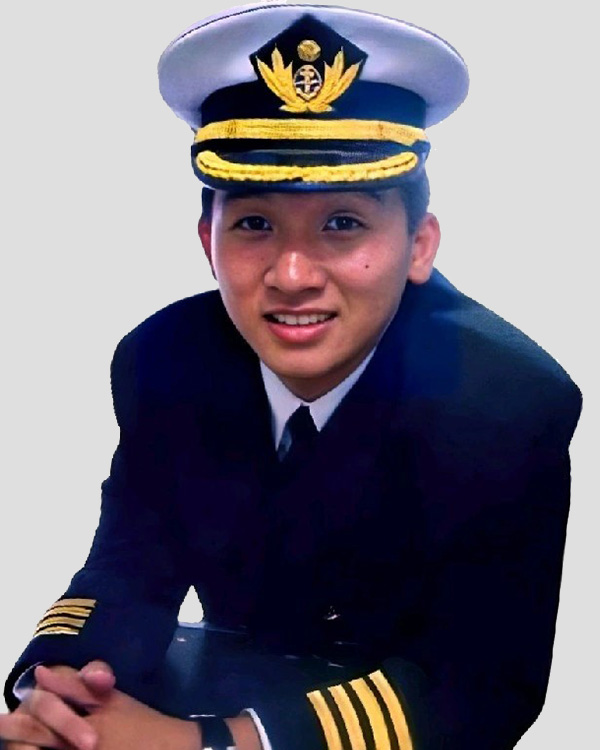
Capt. James Foong is a Malaysian mariner with extensive operational experience at sea. He holds a Master Mariner qualification from the New Zealand Maritime School and an MBA in Shipping and Logistics from Middlesex University London. He is a Fellow of The Nautical Institute and Center for Ocean Policy and Economics. Beyond shipboard operations, he actively contributes to discussions on life at sea, leadership, safety, and the human element in shipping, sharing practical insights with a global professional audience of over 40,000 followers on LinkedIn.
About the Author
Capt. James Foong is a Malaysian mariner with extensive operational experience at sea. He holds a Master Mariner qualification from the New Zealand Maritime School and an MBA in Shipping and Logistics from Middlesex University London. He is a Fellow of The Nautical Institute and Center for Ocean Policy and Economics. Beyond shipboard operations, he actively contributes to discussions on life at sea, leadership, safety, and the human element in shipping, sharing practical insights with a global professional audience of over 40,000 followers on LinkedIn.
For questions or comments about this paper, please email [email protected].