QUESTIONS & ANSWERS
COPE° Webinar: Addressing the Unjust Criminalization of Seafarers
18 June 2026
Read through questions and answers from COPE°’s webinar, Addressing the Unjust Criminalization of Seafarers. This Q&A highlights key points discussed during the session, including due process, access to independent legal support, family and welfare impacts, state and industry responsibilities, and the need for stronger international protections for seafarers.
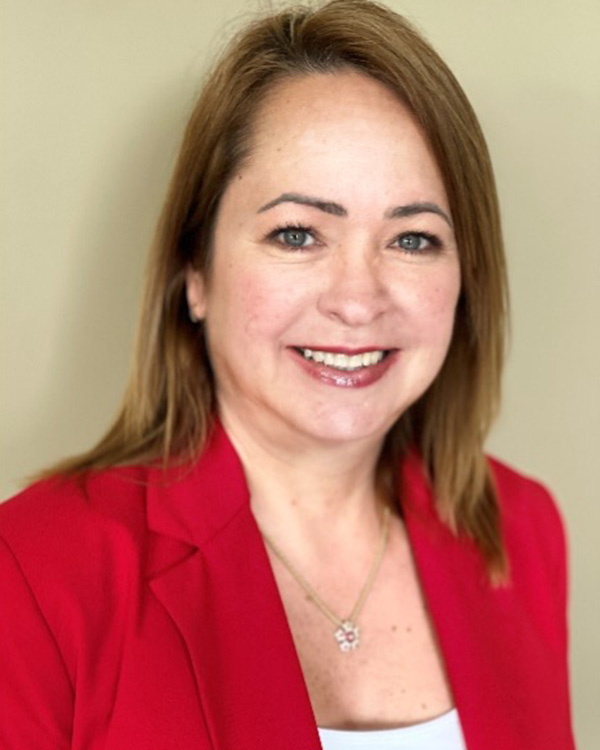
Lis Laurie
Why is seafarer criminalization not only a human rights issue, but also a maritime safety, security, and global trade issue?
Seafarer criminalization affects far more than the individual seafarer involved in a case. Maritime transportation depends on people, and if seafarers believe they may face legal uncertainty or criminal exposure even when acting in good faith, it can discourage people from entering or remaining in the profession. That has broader implications for maritime safety, workforce stability, and the reliability of global trade.
How can governments strengthen maritime security while also ensuring fair treatment and due process for seafarers?
Governments can strengthen maritime security and protect due process at the same time. Effective law enforcement does not need to come at the expense of fair treatment. Clear procedures, transparency, international cooperation, and treaty-based standards can help governments investigate crime while ensuring that seafarers are not unfairly treated or presumed guilty without evidence.
Why has this issue become more prominent in recent years?
The issue has become more prominent as the maritime sector has become more technologically advanced, interconnected, and complex. Automation, digital systems, AI, virtual access, and modern port operations create new vulnerabilities that organized crime can exploit. As criminal networks use legitimate maritime channels for illicit activity, seafarers may be placed at greater risk of being caught in investigations.
Dr. Kristina Siig

Of the legal gaps discussed — due process, access to counsel, detention standards, and enforcement — is one the most urgent to address, or does this need to be approached holistically?
These issues need to be approached holistically because, for a detained seafarer, each of these protections matters. However, language access is one of the most basic and urgent needs. A seafarer must be able to understand documents, proceedings, and communications in a language they understand. Without that, it is very difficult for them to protect themselves or meaningfully participate in the process.
Existing instruments such as UNCLOS, the MLC, and IMO/ILO guidance provide some protections. Why do those frameworks tend to fall short in practice?
These instruments fall short because they were not designed specifically to address seafarers as individuals facing criminal investigation or detention. UNCLOS focuses largely on state jurisdiction, maritime zones, and vessel-related issues. The MLC focuses on labor rights. Criminalization raises a different set of questions involving due process, legal representation, fair treatment, and individual procedural rights.
Dr. Brian McNamara

When seafarers are criminalized simply because they were present on a vessel or at the scene of an alleged crime, what legal or practical mechanisms are currently available to protect them?
The core problem is that there are not uniform, predictable mechanisms available across jurisdictions. Some countries may provide stronger procedural protections, but seafarers should not have to depend on the good fortune of being investigated in a jurisdiction with better safeguards. Protections should be clear, predictable, and available to seafarers regardless of where an investigation occurs.
What is one practical step that governments, industry, and civil society could take now to improve protections for seafarers?
One practical step is to improve access to translation. Legal instruments, guidance, and key rights information should be available in languages seafarers can understand. This is something civil society can help with now, and it would address a practical gap that often makes it harder for seafarers to understand and exercise their rights.
Capt. Kuba Szymanski

What responsibilities should companies and ship managers have when a seafarer is detained, investigated, or unable to return home?
Companies and ship managers should treat seafarers like other professionals acting on behalf of an employer. When a company sends someone into a work environment, there should be support if something goes wrong. That may include insurance, legal support, communication with families, and practical assistance during detention or investigation.
How can the industry better support the families of seafarers affected by criminalization or prolonged detention?
Companies and crew managers should have a clear response plan for cases involving seafarer criminalization or detention, and families should be central to that plan. Immediate communication is critical because lack of information can cause severe distress. Industry support should include prevention, preparedness, family communication, and risk assessment before vessels are sent into areas where detention or criminalization may be more likely.
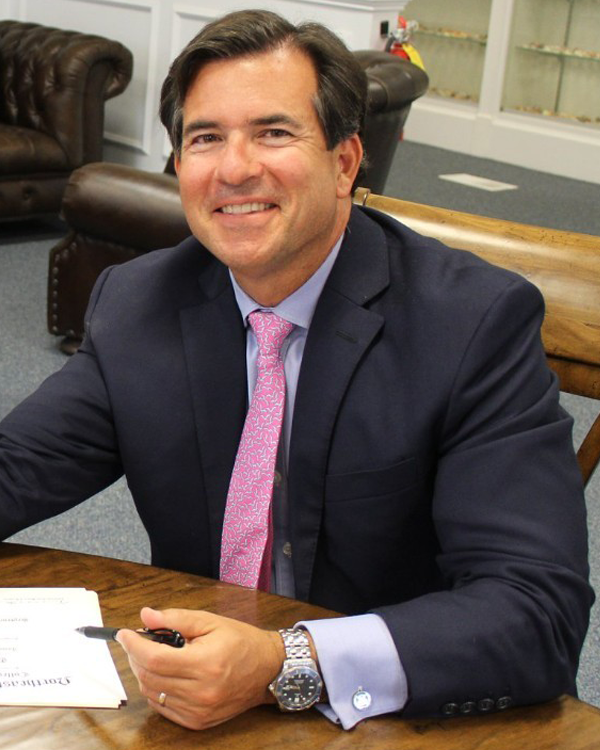
Eric R. Dawicki
How could a maritime observatory or repository help track cases, improve transparency, and encourage better state and industry practices?
A maritime observatory or repository could provide a central place to collect and study case information. That information could be analyzed to identify recurring patterns, gaps, and lessons learned. Making this information accessible to researchers, law schools, policymakers, and others working on these cases would support better decision-making and more consistent treatment of seafarers. An international body such as the IMO could potentially serve as a host if it were willing to take on that role.
How could a maritime observatory or repository help track cases, improve transparency, and encourage better state and industry practices?
A maritime observatory or repository could help address the current lack of transparency. By collecting case information, identifying lessons learned, and tracking patterns over time, it could support more informed decision-making and better practices. Existing data efforts, such as InterManager’s work, are an important starting point. A broader repository, potentially hosted by an international body with appropriate safeguards, could help create a fairer and more accountable system.
Webinar Recap
Visit the webinar recap page for a summary of the discussion, speaker insights, and COPE°’s ongoing work on seafarer rights.
To stay engaged with COPE°’s work on seafarer rights, maritime safety, and international legal reform, visit our Get Involved page or Contact Us to learn more about upcoming initiatives.
For questions or comments about this paper, please email [email protected].